Your cart is currently empty!


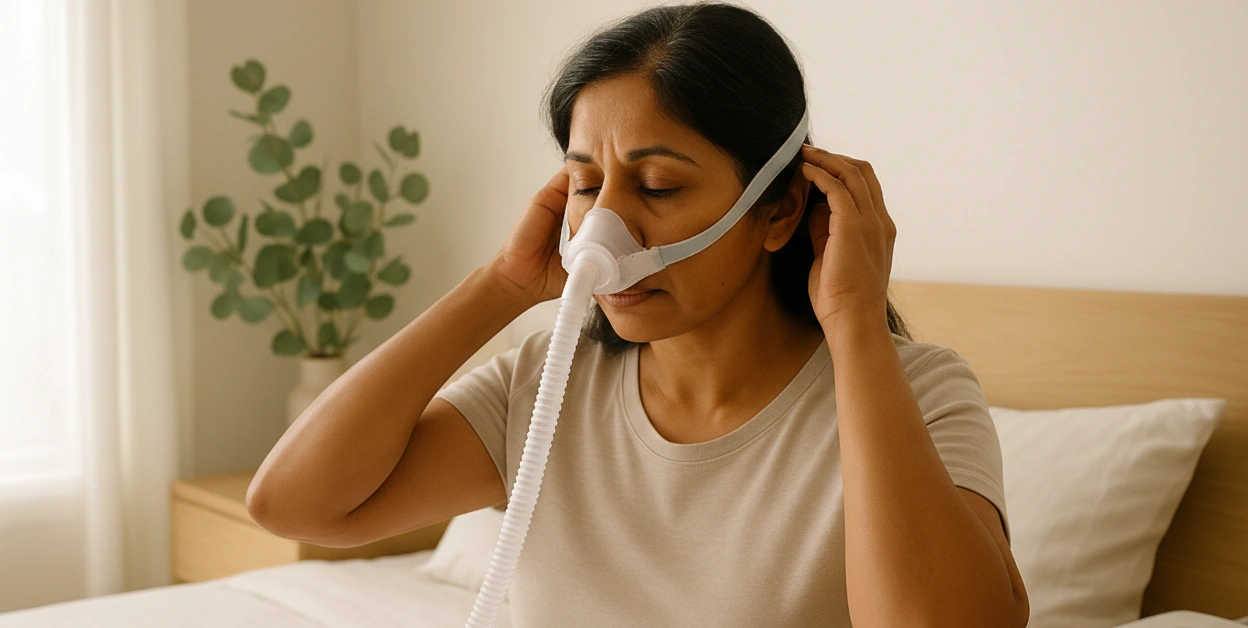
Cleaning a CPAP machine is simple and should be done regularly using warm water, mild soap, and air drying to keep your therapy safe and effective. By washing key parts like the mask, tubing, and humidifier chamber on a routine basis, you can reduce germs, prevent odours, and support comfortable sleep. For Australians new to CPAP therapy, learning the correct cleaning method early helps build healthy habits that last.
Why cleaning your CPAP machine matters
Your CPAP machine pushes air directly into your airway for several hours each night. Moisture from breath and humidification can allow bacteria, mould, and mineral build-up if parts are left unwashed. Poor hygiene may cause congestion, throat irritation, chest discomfort, or unpleasant smells. Regular cleaning also helps parts last longer, which saves money over time, including accessories such as the ResMed CPAP Chin Strap, which benefits from regular care to maintain comfort and effectiveness.
Australian climates can vary widely, from dry inland areas to humid coastal regions. Higher humidity may increase the chance of mould growth, making routine care even more important.
What you need before you start
You do not need special chemicals or complex tools. Most people already have what is required at home.
- Mild dishwashing liquid without fragrance
- Warm water
- A clean sink or basin
- A soft cloth or sponge
- A towel for drying
- A clean surface with good airflow
Avoid bleach, vinegar, alcohol, antibacterial sprays, or harsh cleaners. These can damage materials and leave residues that may irritate your airway.
Daily CPAP cleaning routine
A short daily routine keeps your mask fresh and comfortable.
Step 1: Unplug and disconnect
Switch off your CPAP machine and unplug it from the power point. Remove the mask from the tubing.
Step 2: Wash the mask cushion
Separate the cushion from the mask frame if possible. Wash it in warm water with a few drops of mild soap. Gently rub away facial oils.
Step 3: Rinse thoroughly
Rinse under clean running water until no soap remains. Soap residue can cause skin irritation.
Step 4: Air dry
Place the cushion and frame on a towel away from direct sunlight. Allow them to dry naturally.
This daily habit can reduce mask leaks and improve comfort. If you are unsure which parts of your mask can be separated, the team at Sleep Warehouse can help you identify the correct method for your model.
Weekly CPAP cleaning routine
A deeper clean once a week keeps the full system hygienic.
Step 1: Disassemble all washable parts
Remove the mask, tubing, and humidifier chamber from the machine. Check the manufacturer guide if unsure.
Step 2: Wash the tubing
Fill the tubing with warm soapy water, cover each end, and gently shake. Rinse thoroughly with clean water.
Step 3: Clean the humidifier chamber
Wash the chamber with warm water and mild soap. If you notice white residue, this is often mineral build-up from tap water.
Step 4: Rinse and inspect
Rinse all parts well. Check for cracks, stiffness, or cloudiness, which may mean replacement is needed.
Step 5: Air dry completely
Hang the tubing over a shower rail or towel rack so water can drain out. Let all parts dry fully before reassembly.
For replacement parts or advice on compatible accessories, Sleep Warehouse offers support tailored to Australian CPAP users.
What not to clean with water
The main CPAP unit should never be submerged in water. If dust collects on the outside, wipe it with a dry or slightly damp cloth. Always unplug before cleaning.
Filters should be checked weekly. Products like the AirSense 11 CPAP Filter help keep dust and allergens out of your machine and should be replaced or cleaned as directed, disposable filters need regular replacement, while reusable filters can be rinsed and air dried.
How often should CPAP parts be replaced
Even with good cleaning habits, CPAP components wear out over time.
- Mask cushions usually every 3 to 6 months
- Tubing every 6 to 12 months
- Filters every 1 to 6 months depending on type
- Humidifier chamber every 6 to 12 months
Australian dust levels, pets, and bushfire smoke can affect filter life. Regular checks help maintain airflow quality.
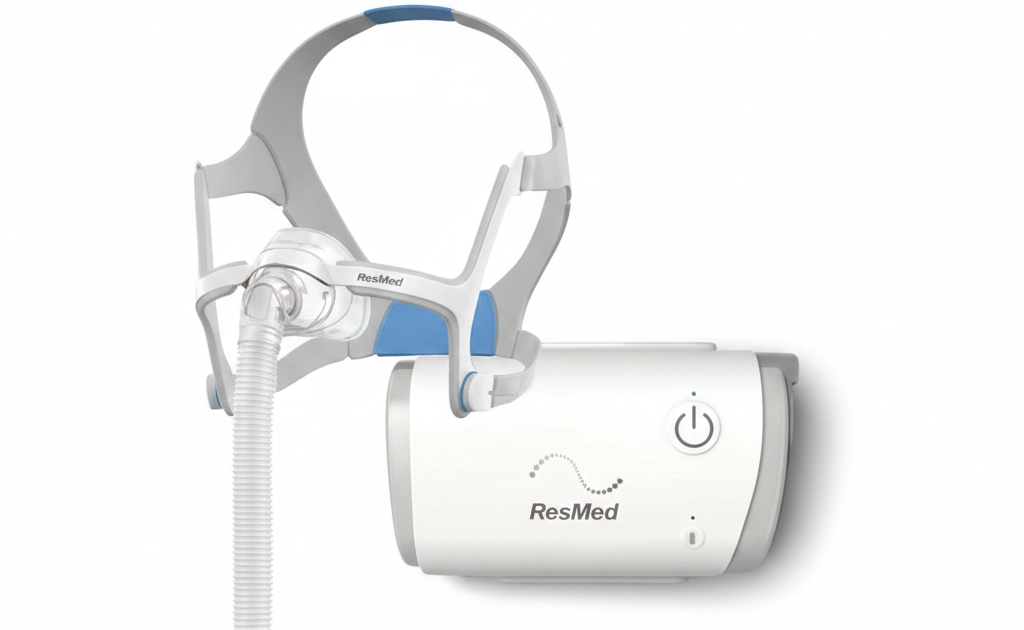
Travel and cleaning tips
When travelling within Australia or overseas, pack a small bottle of mild soap and a clean towel. If water quality is uncertain, bottled or distilled water is a safer choice for washing and humidifier use. Allow extra drying time in humid areas.
When to consider professional help
If you notice ongoing odours, frequent congestion, or visible mould that does not clear with washing, parts may need replacement. A hard reset of your cleaning routine may not be enough.
If your CPAP equipment needs replacement or you want expert guidance on cleaning and care, contact Sleep Warehouse today for trusted advice and quality supplies.
Building a routine that lasts
Setting reminders on your phone or linking cleaning to an existing habit, such as morning coffee, can make the process automatic. Consistency supports better sleep and helps your therapy work as intended.
Sleep Warehouse provides easy access to cleaning accessories, replacement parts, and guidance to support your CPAP routine at home.
Frequently Asked Questions
How long does it take to clean a CPAP machine?
Daily cleaning takes about five minutes. Weekly cleaning usually takes 15 to 20 minutes plus drying time.
Can I use vinegar to clean my CPAP?
No. Vinegar can damage materials and leave strong smells that may irritate your airway.
Is tap water safe for cleaning?
Tap water is fine for washing parts, but distilled water is recommended for the humidifier chamber to reduce mineral build-up.
Do I need an automatic CPAP cleaner?
Automatic cleaners are optional. Manual cleaning with soap and water is effective when done regularly.
What happens if I do not clean my CPAP machine?
Poor cleaning can lead to bacteria, mould, unpleasant odours, and discomfort during therapy.
Where can I get replacement CPAP parts in Australia?
Sleep Warehouse stocks a wide range of CPAP masks, tubing, filters, and accessories suited to Australian users.

ABOUT AUTHOR
Leave a Reply
You must be logged in to post a comment.