Your cart is currently empty!


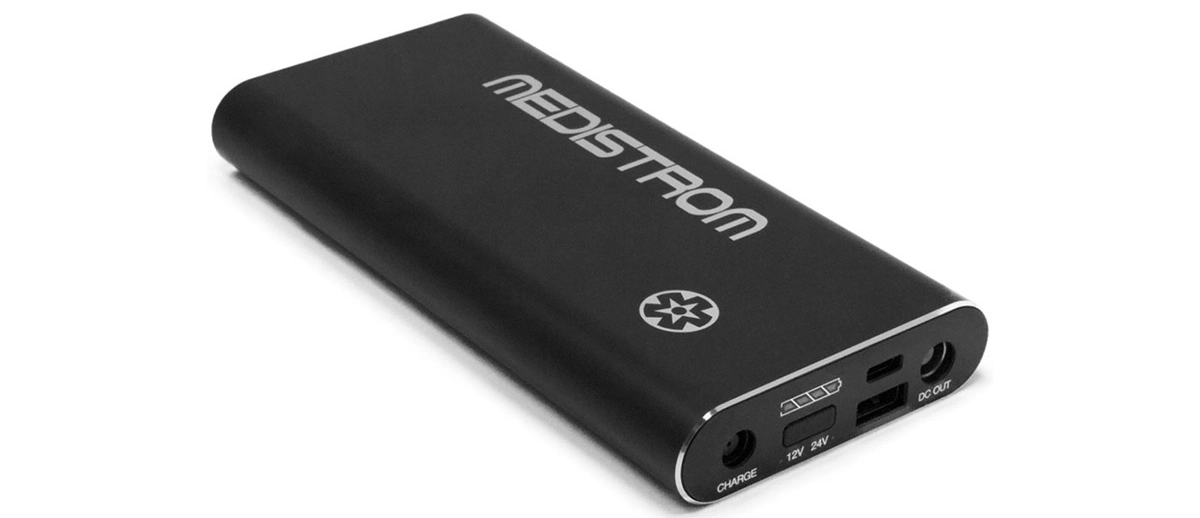
For Australians with sleep apnoea, consistent CPAP therapy isn’t negotiable. Whether you’re camping, travelling overseas, or want peace of mind during storm season, reliable power for your CPAP machine makes all the difference.
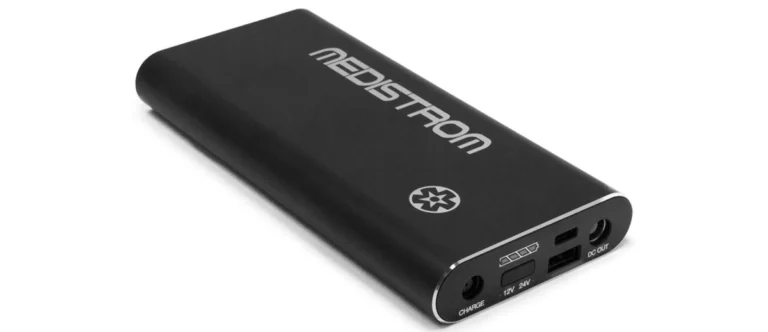
Modern battery technology has caught up with our adventurous lifestyles. Options like the medistrom pilot flex CPAP battery help keep your therapy running anywhere.
Why CPAP Users Need Portable Power Solutions
Your CPAP machine works brilliantly at home with a wall socket. But what happens when you’re off the grid, mid-flight, or facing a blackout?
Missing one night of therapy plans leaves you foggy and exhausted. For travellers, grey nomads, and outdoor enthusiasts, portable power is necessary for maintaining their hard-earned health benefits.
Types of CPAP Power Solutions
Dedicated CPAP Batteries
Purpose-built CPAP batteries are compact, lightweight units designed for medical devices. Most weigh under one kilogram and deliver a stable 12V to 24V output.
Quality batteries feature Uninterruptible Power Supply (UPS) functions. When mains power cuts out, the battery activates automatically without disrupting your sleep, something we highlight in our about us commitment to reliable sleep solutions.
Battery capacity varies significantly. Entry-level models run one night (8 to 10 hours), while premium options run for two or more nights per charge. Runtime depends on your pressure settings and whether you use humidification or heated tubing, which drains power considerably faster.
The Medistrom Pilot Flex offers automatic voltage adjustment between 12V and 24V, making it compatible with ResMed, Philips Respironics, and Fisher & Paykel machines. Most quality batteries recharge fully within two to four hours.
Portable Power Stations
For extended camping trips, portable power stations give you a larger capacity. These units power your CPAP plus phones, lights, and other essentials.
Modern power stations feature 240V AC outlets, 12V DC ports, and USB charging. Pair them with solar panels for off-grid adventures across Australia.
DC Adapters and Car Power
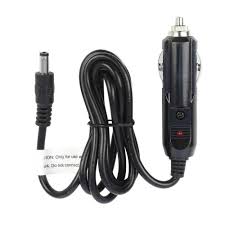
Road tripping in a campervan or 4WD? A DC adapter powers your CPAP directly from your vehicle’s 12V system. This simple, cost-effective solution works brilliantly when you’ve got reliable vehicle access.
Make sure your adapter matches your CPAP model’s voltage requirements to avoid damaging your machine.
Choosing the Right CPAP Battery
Runtime Requirements
Calculate how many nights you need between charges. Remember that using humidification or heated tubes dramatically reduces runtime, often by 50% or more. Most manufacturers recommend disabling these comfort features when running on battery power.
Weight and Portability
If you’re flying frequently or hiking to campsites, every gram matters. Compact batteries weighing 400 to 500 grams offer excellent portability. Larger units give extended runtime but add bulk to your pack.
Compatibility
Not all batteries work with all machines. Verify compatibility with your CPAP model before purchasing. Some include cable adaptors, while others require separate connection kits.
Airline Approval
For air travel, choose FAA and TSA-compliant batteries. Most quality CPAP batteries fall under the 100-watt-hour limit for carry-on approval.
Australian airlines, including Qantas, Virgin Australia, and Jetstar, permit CPAP machines as additional carry-on items. Your battery must travel in cabin luggage, never checked bags.
Recharging Options
Consider how you’ll recharge between uses. Wall charging is standard, but USB-C compatibility, car charging, and solar panel options give you flexibility for extended adventures.
Maximising Your Battery Performance
Getting the most from your portable power requires smart usage habits.
Turn off humidification and heated tubing when running on battery. These features consume significant power and aren’t required for effective therapy.
Lower your ramp setting if your machine supports it. Gentler pressure at sleep onset uses less power while still delivering full therapeutic pressure once you’re asleep.
Charge fully before each trip and keep your battery topped up between uses. Lithium-ion batteries perform best when maintained between 20% and 80% charge during storage.Monitor ambient temperature. Batteries perform optimally between 10°C and 35°C. Extreme temperatures reduce capacity and can damage cells over time.
Emergency Backup at Home
Power outages happen. Storms, bushfires, and infrastructure issues can leave homes without electricity for hours or days. A CPAP battery gives you instant backup.
Units with automatic UPS switching detect power loss and activate immediately. This seamless transition offers peace of mind for those in areas prone to severe weather.
Keep Your Therapy Running, Anywhere
Whether you’re camping in Australia’s national parks, travelling internationally, or protecting against power interruptions, the right battery solution means your sleep therapy never skips a beat.
At Sleep Warehouse, we stock a carefully selected range of CPAP batteries and power solutions designed for Australian conditions and lifestyles. Our expert team can help you choose the perfect setup for your machine, travel plans, and power needs.
Don’t let power concerns limit your adventures or compromise your health. Browse our range today and discover reliable sleep therapy, wherever life takes you.
Contact our friendly team on (07) 3472 6421 or browse our batteries and power range online to find your ideal travel companion.

ABOUT AUTHOR
Leave a Reply
You must be logged in to post a comment.