Your cart is currently empty!


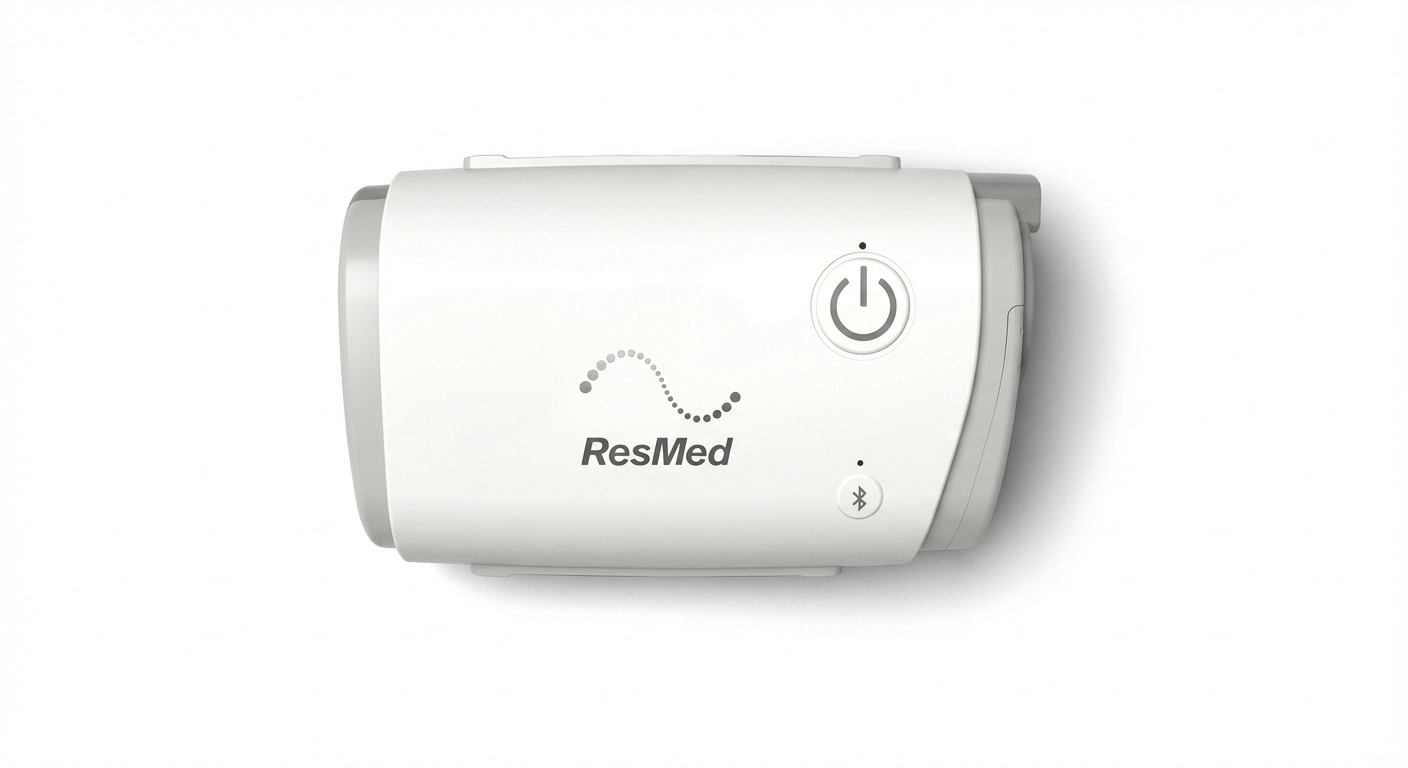
Yes, you can travel with a CPAP machine, and for most people in Australia it is straightforward as long as you plan ahead. CPAP devices are classed as medical equipment, are allowed on flights, and can be used safely in hotels, holiday rentals, caravans, and even on some aircraft. With the right accessories and a little preparation, travelling with sleep apnoea does not have to disrupt your rest or your plans.
Travelling often brings excitement, but it can also raise practical questions when you rely on CPAP therapy plan. From airport security to power options and packing tips, understanding the basics makes the journey far more comfortable.
Is a CPAP machine allowed on planes in Australia?
In Australia, CPAP machines are permitted on all major airlines, including Qantas, Jetstar, Virgin Australia, and Rex. Because they are medical devices, they do not count towards your normal carry on baggage allowance. Most airlines recommend that you carry your CPAP machine in the cabin rather than checking it in, as this reduces the risk of damage or loss.
At airport security, you may be asked to remove the device from its case, similar to a laptop. Using a clear plastic bag for the machine can help keep it clean while it passes through screening. It is also useful to carry a copy of your prescription or a letter from your doctor, although this is rarely requested.
Can you use a CPAP machine during a flight?
Using a CPAP machine during a flight depends on the airline, the aircraft, and your seat. Some airlines allow in flight use if you have approval in advance and if your device meets their safety requirements. Others may limit use to battery power only, even if the aircraft has a power outlet.
If you plan to use your CPAP in the air, contact the airline well before departure. Ask about approved devices, battery capacity requirements, and any forms you may need to complete. For many travellers, using CPAP during the flight is not essential, especially on shorter domestic trips, but it can be helpful on long haul journeys.
Power options when travelling with CPAP
One of the most common concerns is how to power a CPAP machine while away from home. In hotels and serviced apartments, standard power points are usually sufficient. Australian CPAP machines operate on 240V, and most modern devices are dual voltage, meaning they can also be used overseas with the correct plug adaptor.
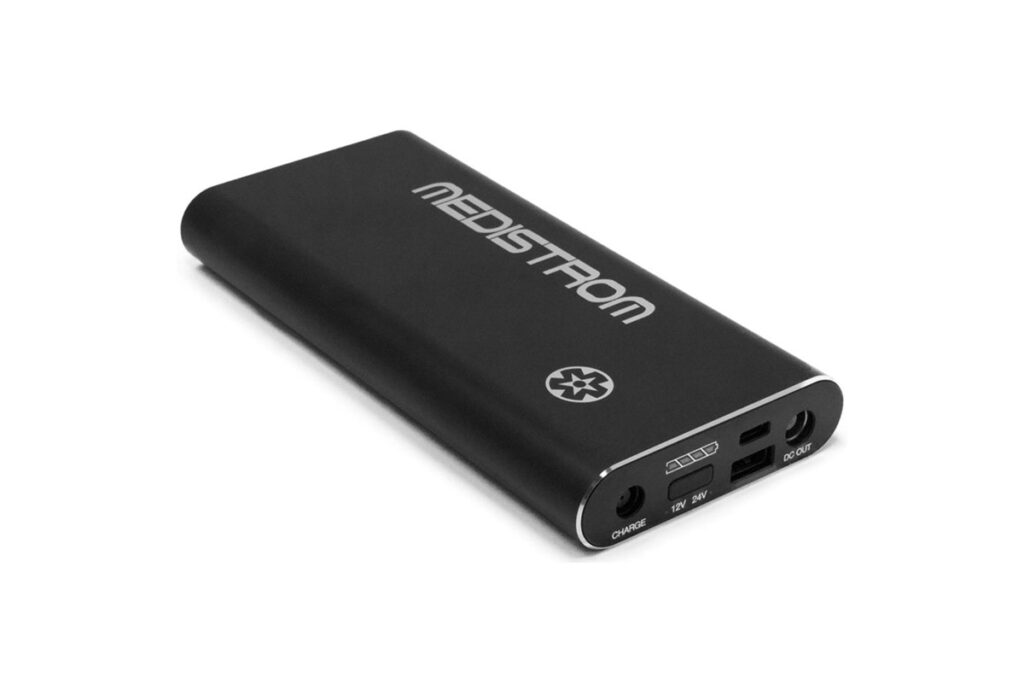
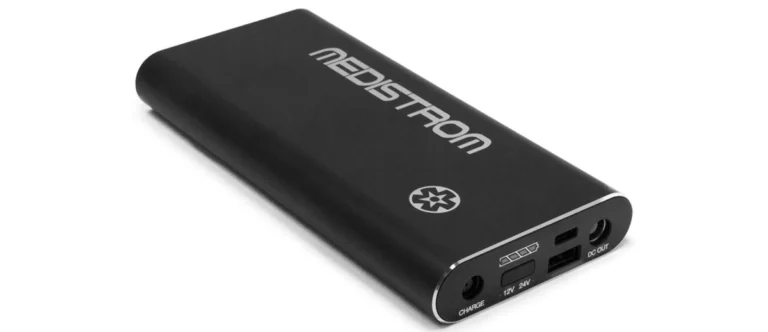
For camping, caravanning, or remote travel, a CPAP battery is often the best solution. Dedicated CPAP batteries are compact, airline compliant, and designed to provide several nights of use depending on your pressure settings and whether you use humidification.
When travelling, it’s also worth considering comfort accessories such as the ResMed CPAP Chin Strap, which can help maintain effective therapy if you tend to breathe through your mouth during sleep. If you are unsure which power option suits your travel plans, a gentle chat with Sleep Warehouse can help you compare batteries, adaptors, and travel-friendly machines without any pressure to buy.
Packing tips for travelling with a CPAP machine
Packing your CPAP correctly helps protect it and makes security checks easier.
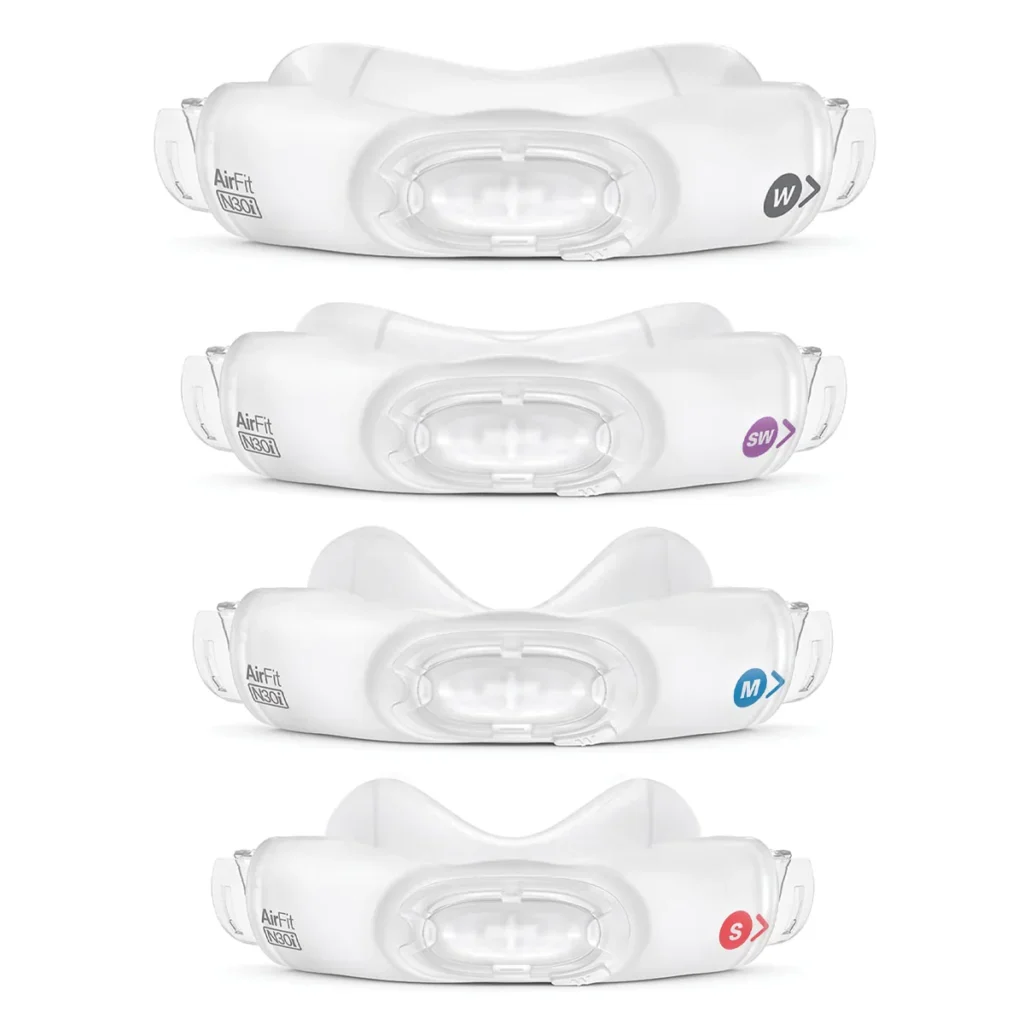
Keep your CPAP in its carry case and bring it as cabin luggage. This avoids temperature changes and rough handling in the cargo hold. Pack essential items together, including the mask, tubing, power supply, and any batteries. It is wise to carry spare filters and a backup mask cushion, especially for longer trips.
If you use a humidifier, consider whether you need it while travelling. Some people choose to leave the humidifier chamber at home to reduce weight and bulk. If you do bring it, empty it before packing and use bottled or distilled water at your destination where possible.
Using CPAP in hotels and accommodation
Most hotels in Australia are familiar with guests travelling with medical devices. Bedside power points are common, but in some rooms they may be limited. A short extension cord or power board can be useful.
Housekeeping staff may move or unplug devices during cleaning. Placing a note near the CPAP or using the do not disturb sign can prevent this. If you are staying in shared accommodation, explaining briefly that the device is a medical aid can avoid confusion.
International travel with a CPAP machine
When travelling overseas, check the voltage requirements and plug types for your destination. A universal adaptor is often all you need. Customs regulations vary, but CPAP machines are widely recognised as medical equipment and are rarely an issue at borders.
It is also worth checking your travel insurance policy. Some policies cover medical devices, while others require you to declare them separately. Keeping receipts and serial numbers recorded can be helpful.
If international travel is on the horizon, Sleep Warehouse offers practical guidance on travel ready CPAP solutions that suit both short holidays and extended trips.
Cleaning and hygiene while travelling
Maintaining hygiene on the road does not need to be complicated. Daily cleaning of your mask with mild soap and water is usually enough. Tubing can be rinsed every few days and hung to dry.
Travel wipes designed for CPAP masks are convenient when access to a sink is limited. Always allow components to dry fully before use to avoid moisture build up.
Should you consider a travel CPAP machine?
Travel CPAP machines are smaller, lighter, and designed specifically for portability. They are popular with frequent flyers, business travellers, and those who camp regularly. While they may not replace a full-size machine for everyday use, they can be a valuable addition.
A stronger call to action is simple. If you travel often and want a compact, reliable option, explore the range of travel CPAP machines available at Sleep Warehouse and get expert advice tailored to your needs.
Frequently Asked Questions
1. Can I take my CPAP machine as carry on luggage?
Yes. CPAP machines are allowed as carry on and are not counted towards your baggage limit because they are medical devices.
2. Do I need a doctor’s letter to fly with a CPAP machine?
Usually no, but carrying a copy of your prescription or a brief letter can be helpful, particularly for international travel.
3. Can I use my CPAP machine overseas?
Most modern CPAP machines are dual voltage and can be used overseas with the correct plug adaptor. Always check your device specifications.
4. What if there is a power outage while travelling?
A CPAP battery provides backup power and is useful for peace of mind during outages or when camping.
5. Is distilled water available when travelling?
Distilled water may not always be easy to find. Short-term use of bottled water is generally acceptable if distilled water is unavailable.
6. Are travel CPAP machines as effective as standard ones?
They deliver the same therapy but may have fewer comfort features. Effectiveness depends on the model and your prescribed settings.

ABOUT AUTHOR
Leave a Reply
You must be logged in to post a comment.