Your cart is currently empty!



Most people begin CPAP therapy expecting one major purchase. The reality is that CPAP therapy costs continue long after you buy your machine. Mask replacements, tubing, filters, humidifier parts, cleaning supplies and power accessories all sit under the “hidden” category of ongoing CPAP expenses.
This guide breaks down every cost you should plan for so your therapy stays effective and your budget stays predictable.
Your Starting Cost: Machine and Mask
The first cost is usually the machine and a mask, but even this initial step carries long-term implications for your budget.
At the machine level, Sleep Warehouse offers competitive pricing on devices such as the ResMed AirSense 11 AutoSet.
This is a common choice for new users who want an auto-adjusting algorithm and modern comfort features. Other models sit at different price points, but most users fall into a similar range.
Your mask is the next major upfront cost. Masks differ in airflow style, seal type and comfort level. Some users adjust quickly; others need to try more than one option. If your first mask does not provide a reliable seal or causes discomfort, you may need a second mask early in your therapy. It is practical to treat that possibility as part of your first-year expenditure.
Even at this early stage, spending should be viewed as the starting point, not the full cost of CPAP therapy. The machine and mask get you started, but ongoing parts and upkeep keep your therapy stable.
Mask Parts, Cushions and Yearly Replacements
Mask components degrade. That is normal.
Cushions soften and lose structure, headgear can stretch, and clips or frame parts may become loose after months of use. With nightly wear, these parts undergo consistent pressure and cleaning cycles. Over time, this affects the mask’s ability to maintain a tight seal.
Instead of replacing the full mask, many users extend performance by replacing specific components. Sleep Warehouse carries a wide range of mask parts, such as AirFit replacement pieces that let you refresh individual sections at a lower cost.
Most individuals will replace at least one cushion and potentially headgear every year. Some replace their full mask every one to two years for improved fit and reliability. The pattern varies based on skin type, humidity, cleaning habits and sleep style, but replacing parts is unavoidable for consistent treatment.
The hidden cost is not that these parts must be replaced; the issue is that many people do not budget for them. Once they are included in your yearly plan, the financial side becomes far smoother.
Filters, Tubing and Humidifier Parts
These items are small but essential. They directly influence your device’s hygiene, airflow quality and service life.
Filters
Filters prevent dust and airborne particles from entering the machine. They need regular replacement. If neglected, airflow becomes restricted, and the machine works harder than necessary. Replacement filters are inexpensive, but they add up over a year.
Tubing
Tubing carries the pressurised air from the machine to your mask. It can crack, stiffen or discolour with repeated use. Many users replace their tubing every six to twelve months.
If you need a heated tube replacement, the ClimateLineAir 11 Tube is a good reference for cost.
Humidifier Chambers and Seals
Mineral buildup, heat cycles and regular cleaning gradually wear down humidifier components. The AirSense 10 Cleanable Humidifier Tank is an example of a replacement you may need after a period of use.
These costs are modest individually, but predictable when viewed across twelve months. Most users who budget for small replacements are rarely caught off guard.
Cleaning and Comfort Accessories
Cleaning is an important part of CPAP maintenance. It prevents odours, bacterial growth and residue buildup.
Cleaning-related purchases include mild cleaning solutions, wipes, brushes designed for tubing and accessories that prevent moisture retention. These are not luxury items; they directly support hygiene and prevent premature equipment failure.
Some users also invest in comfort accessories, mask liners to reduce skin irritation, strap covers to prevent marks, and additional water chambers for convenience.
If you want a simple overview of available items, Sleep Warehouse’s Accessories & Cleaning section is a reliable place to compare options.
These items are small purchases, but they recur often enough to become part of your yearly cost pattern. When they are planned rather than reactive, they support both comfort and therapy reliability.
Power Supplies, Travel Gear and Backup Options
Power and travel needs introduce some of the most overlooked CPAP costs.
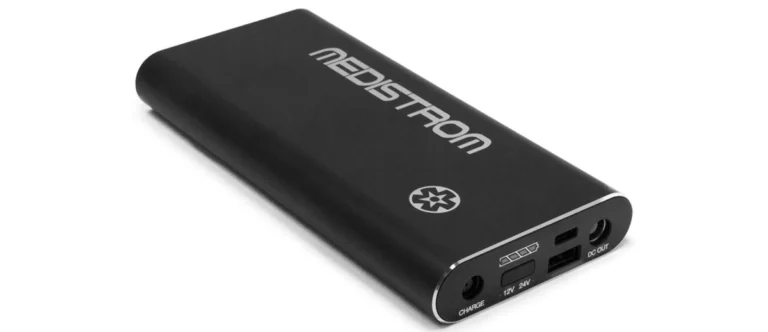
If you travel for work, take long trips, camp or experience power interruptions, you may require specialised accessories. A good example is the AirMini DC/DC Converter, which supports therapy when standard mains power is not available.
Other travel cases and protective gear may also be part of your setup. These are situational purchases, but for those who need them, they become essential. Because the cost is higher than filters or cushions, it is worth recognising them in your budget from the start.
Follow-Up Care, Reviews and Adjustments
Effective CPAP therapy is not static. Your pressure needs can change, your sleep patterns may shift, and regular reviews help track progress.
This category includes:
✔ Pressure adjustments
✔ Check-ins with your sleep clinician
✔ Possible follow-up studies
✔ Occasional machine maintenance or consultation
Costs vary greatly depending on your healthcare provider and location, but they are part of the long-term commitment. Many new users overlook professional support when planning their budget, even though those appointments often influence therapy success.
The hidden cost here is not high frequency; it is the fact that these reviews rarely happen at predictable intervals. Budgeting for at least a few professional interactions each year is a realistic approach.
Health Funds, Rebates and Payment Flexibility
Australia’s private health system can reduce or offset a portion of your CPAP expenses. Whether these savings apply depends on your policy, waiting periods and annual limits.
Some policies contribute toward:
✔ CPAP machines
✔ Mask replacements
✔ Selected accessories
✔ Sleep studies
Checking your policy before a major purchase can prevent unnecessary costs. Many users also find value in payment flexibility. Sleep Warehouse offers Therapy Payment Plans, allowing you to spread out equipment costs. For users starting therapy on a tight budget, this is a practical way to manage the financial load without delaying treatment.
This section of budgeting is highly individual, but understanding your policy is essential. Without that knowledge, you may overspend on items that could be partially reimbursed.
A Realistic Annual Budget Structure
Instead of trying to calculate each item individually, most users benefit from thinking in cost groups. A realistic annual plan often includes:
✔ One or two mask cushions or key mask parts
✔ A potential full mask replacement every one to two years
✔ Filters are replaced on a scheduled basis
✔ Tubing is replaced once a year
✔ Possible humidifier chamber replacements
✔ Cleaning supplies as needed
✔ One or two larger items, such as a power accessory or travel case
✔ A portion of the next machine’s cost is spread across several years
✔ Occasional clinical consultations or reviews
This structure reflects the experience of long-term CPAP users. It removes guesswork and allows you to distribute costs throughout the year rather than facing multiple purchases at once.
Keeping CPAP Costs Under Control
The goal is not to reduce therapy; it is to organise it in a way that feels financially manageable. These steps help:
✔ Buy from a specialist with consistent pricing and genuine stock
✔ Compare bundles before purchasing individual items
✔ Track replacement cycles to avoid unexpected bulk costs
✔ Avoid accessories you do not use
✔ Check your private health entitlements before buying
✔ Use payment plans if they help smooth expenses
With these methods, even a comprehensive CPAP setup becomes far easier to manage.
A Clear Path to Managing Your CPAP Expenses
Understanding the hidden costs of CPAP therapy gives you a realistic view of long-term treatment. Machines, masks, replacement parts, cleaning supplies, follow-ups and power accessories all play a role in maintaining effective therapy. By planning, you avoid interruptions, keep therapy consistent and prevent financial surprises.
Sleep Warehouse supports Australians at every stage of therapy with competitive pricing, genuine equipment, essential accessories and flexible payment options. Explore Sleep Warehouse’s range of machines, masks and accessories to build a cost-aware CPAP plan that suits your budget and long-term needs.
FAQs
1. How long does a CPAP machine usually last before it needs replacing?
Most CPAP machines last five to seven years with normal use. The exact lifespan depends on maintenance, cleaning habits and part replacements. Many users choose to upgrade earlier if newer models offer features that improve comfort or compliance.
2. What signs indicate it’s time to replace my mask or accessories?
You may need to replace parts if you notice increasing leaks, discomfort, skin irritation, stiffer tubing, cloudy humidifier chambers or filters that lose shape quickly. Reduced sleep quality despite consistent use is another sign that key components are wearing out.
3. Are generic or off-brand CPAP accessories worth considering?
Generic parts can appear cheaper, but they may not match the performance, fit or durability of genuine components. Using off-brand accessories can also affect warranty coverage. Sticking with manufacturer-approved items ensures predictable therapy and long-term reliability.
4. Can delaying small replacements increase overall CPAP costs?
Yes. Worn cushions, old filters or ageing tubing can strain the machine, reduce pressure accuracy and compromise therapy quality. Replacing small items on time often prevents larger, more expensive issues later.

ABOUT AUTHOR
Leave a Reply
You must be logged in to post a comment.