Your cart is currently empty!


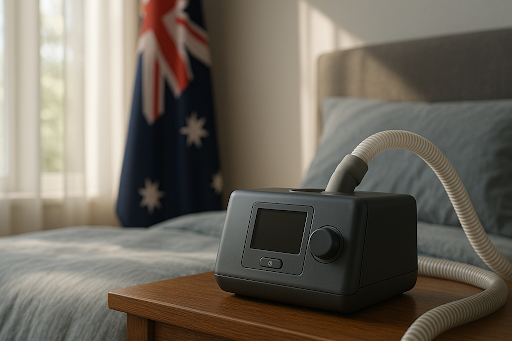
Tired mornings or patchy CPAP use often come back to one core issue: the machine and setup do not match your lifestyle. For therapy to work long term, your device has to fit your breathing needs, your bedside space, your schedule, and the way you live day to day.
Sleep Warehouse is a discount CPAP specialist based in Cairns, supplying machines, masks, accessories and therapy plans to customers across the country. This guide walks through the key factors that matter most when choosing a CPAP machine for your lifestyle.
Understanding CPAP Therapy and Lifestyle Fit
Importance of personalised therapy
A CPAP setup should reflect how you live, work and sleep. The right device takes into account your prescribed pressure needs, your sleeping position, noise sensitivity, comfort preferences and whether you travel often or mostly sleep at home.
Sleep Warehouse helps match machine type and features to your daily reality, aligning product selection with the clinical advice you’ve already received.
Overview of CPAP and sleep apnea
CPAP machines deliver a continuous flow of pressurised air to keep your airway open during sleep. This reduces apnoeas, snoring, oxygen drops and morning symptoms. When correctly set up, CPAP improves energy, focus and overall sleep quality.
Common lifestyle scenarios
CPAP users across Australia fall into different routines and environments. Common scenarios include:
✔ Shift workers sleeping during daylight hours
✔ Caravan and motorhome travellers needing compact machines
✔ Retirees who want simple, low-maintenance devices
✔ Regional and remote users relying on online support and delivery
Machine choice should reflect the lifestyle you actually live, not an idealised version of it.
Exploring Types of CPAP Machines
Fixed CPAP machines
Fixed-pressure machines deliver one consistent pressure throughout the night. They suit people whose sleep study shows a stable pressure requirement. These machines are straightforward, cost-effective and suitable for users with predictable therapy needs.
APAP machines
APAP machines automatically adjust pressure within a prescribed range. They respond to changes in sleep stage, body position, congestion and nightly variability. APAPs are popular for their flexibility and for users with changing or uncertain pressure requirements.
BiPAP machines
Bi-level devices provide one pressure for inhalation and a lower pressure for exhalation. They are used when higher pressures are needed or when a clinician identifies respiratory conditions that require different inhale/exhale support. BiPAP selection should always follow specialist guidance.
Key Features to Match Your Lifestyle
Portability and travel usability
If you travel across Australia, stay in caravans or move between locations, portability becomes essential. Travel-sized machines and bundles provide lighter, space-efficient options that still maintain therapy standards. They are ideal for regular travellers, FIFO workers or users with limited bedside space.
Noise level and comfort
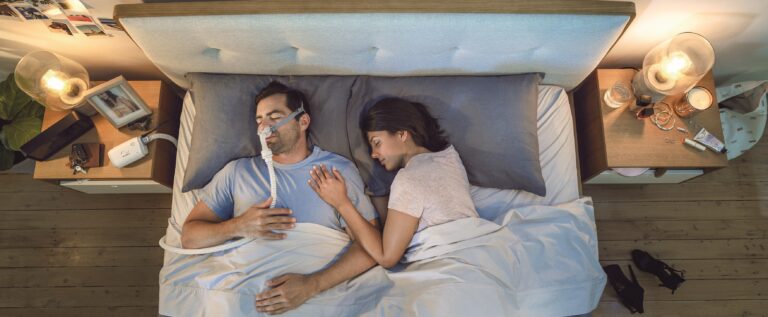
Noise tolerance varies between users and partners. Most modern CPAP machines operate at low decibel levels, but some are quieter than others. This is important if you are a light sleeper, share your room or sleep in smaller spaces such as apartments or vans.
Smart features and connectivity
Some devices include Bluetooth connectivity and sleep-tracking apps. These features allow you to monitor usage hours, mask seal, events per hour and therapy trends. They are valuable for users who want regular feedback or need simple ways to share data with clinicians.
Humidification and tubing
Integrated humidifiers and heated tubing reduce dryness and irritation, especially in cooler climates or air-conditioned rooms. If you frequently experience dry mouth or nasal congestion, these features can significantly improve comfort and therapy adherence.
Brands and Models Available in Australia
Popular CPAP brands
ResMed, Philips and Fisher & Paykel are among the most widely used brands in Australia. Sleep Warehouse supplies a range of models from these manufacturers, including fixed-pressure, auto-adjusting and travel machines.
Model highlights
Examples include:
✔ ResMed AirSense 11 AutoSet – A modern auto-adjusting device with a streamlined interface and guided setup tools.
✔ ResMed AirMini – A compact travel machine designed for portability and suitable for users who need therapy away from home.
Sleep Warehouse helps compare models based on interface style, comfort features, humidification options and mask compatibility.
Local availability and service
Sleep Warehouse operates from Westcourt in Cairns and ships Australia-wide with same-day dispatch for orders placed before midday. Local customers can visit the showroom, while remote users have access to support via phone, email and live chat.
Practical Considerations Before Buying
Therapy needs and sleep study insights
Your sleep study provides essential details on apnoea severity, recommended pressure or pressure range and any complicating factors. These results should guide your machine type and setup. Sleep Warehouse helps interpret these results and explains which machine categories align with your prescription.
Price range and features
Pricing varies based on machine type, humidification, connectivity features and whether you choose a travel-sized or full-size unit. Sleep Warehouse offers a range of machines and bundle options to help users balance cost and feature requirements without unnecessary add-ons.
Financing and insurance options
Sleep Warehouse participates in ResMed Therapy Plans, offering weekly instalment options. Some private health extras may offer rebates on CPAP machines or accessories, depending on your policy. Reviewing your cover before purchase can reduce your upfront spend.
Maintenance, Support and Safety
Cleaning and ongoing care
Regular cleaning prevents blockages, maintains airflow quality and extends equipment lifespan. Typical routines include wiping mask cushions after use and cleaning tubing and humidifier components weekly. Sleep Warehouse provides guidance and compatible cleaning products.
Spare parts and repairs
Mask cushions, filters, tubing and humidifier chambers will need replacement over time. Sleep Warehouse stocks genuine replacements for the brands they supply and can help identify whether an issue is part-related or machine-related.
Safe use and power planning
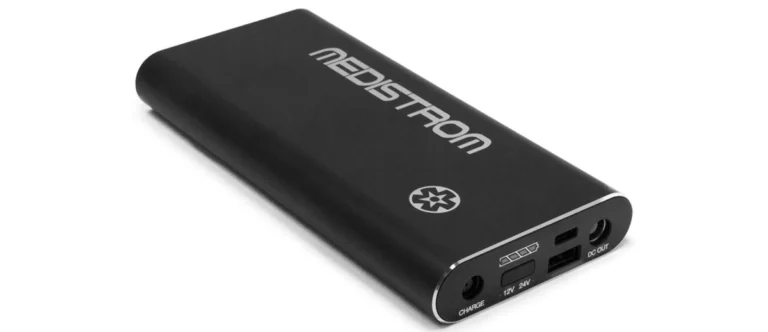
Users in regional areas or those who travel may need surge protection or backup power. Sleep Warehouse offers power accessories and can advise on compatibility with your specific machine.
Adjusting to CPAP in Everyday Life
Comfort and consistency
New users often require adjustments to mask sizing, humidity settings or ramp features. Sleep Warehouse supports customers through these early stages to help establish a consistent nightly routine.
Adapting to different environments
Whether you’re sleeping in a city apartment, a caravan park or a cooler regional climate, your CPAP setup should still work reliably. Choosing appropriate power options and humidity settings helps maintain therapy across environments.
Common side effects and practical fixes
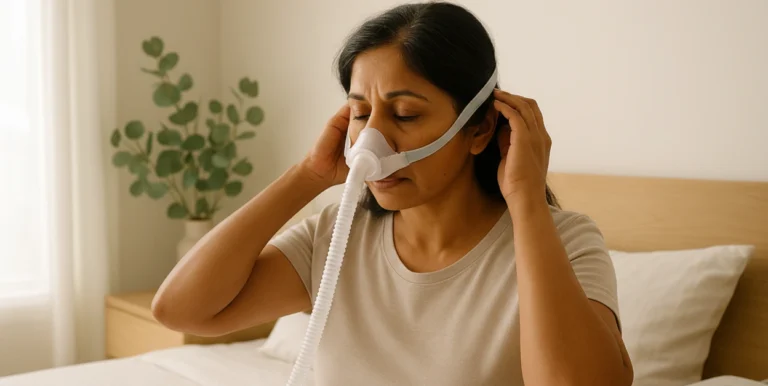
Dryness, irritation and mask discomfort can usually be resolved with correct humidifier levels, proper mask fit and occasional adjustments based on clinician feedback.
Where to Buy and Trial CPAP Machines in Australia
Local suppliers and clinics
Patients can visit the Sleep Warehouse showroom in Westcourt for product demonstrations and in-person support.
Online retailers and delivery options
For most Australians, online ordering is the most practical path. Sleep Warehouse offers secure online purchasing, Australia-wide delivery and same-day dispatch for eligible orders.
Rental and trial programs
Some providers in Australia offer rental or trial opportunities. When Sleep Warehouse runs trial options or promotional programs, details are listed directly on our website or communicated through official channels.
Choosing the Right CPAP Machine for Your Lifestyle
Selecting the right CPAP machine is about matching clinical recommendations with your real-world lifestyle. When you consider therapy needs, mobility, noise sensitivity, comfort features, budget and power requirements, the best choice becomes clearer.
Sleep Warehouse combines nationwide delivery, expert guidance, authorised access to leading brands and ongoing support. This helps you choose equipment that fits both your therapy and your routine, no matter where you live in Australia.
Explore the Sleep Warehouse range or speak with our team to find the right CPAP machine for your lifestyle.
FAQs
1. How often should I replace my CPAP machine?
Most CPAP machines last around five to seven years, depending on usage and maintenance. Replacement is usually recommended when performance declines, noise increases, or new clinical requirements arise. Your clinician may also recommend upgrading if your pressure needs or comfort preferences change.
2. Can any CPAP mask work with any CPAP machine?
Most modern CPAP masks are compatible with most machines, but there are exceptions, particularly for travel devices or proprietary connectors. Checking compatibility before buying prevents leakage issues and ensures the machine delivers correct pressure.
3. What should I consider if I have limited bedside space?
If your bedside area is small, look for compact machines, top-mounted hose designs, or models with integrated humidifiers to reduce the number of components. Portability-focused models or travel units can also be used at home if space is a priority.
4. How do I decide between a travel machine and a full-size machine?
Travel machines are smaller and easier to transport, but they may have fewer comfort features. A full-size unit typically offers better humidification, quieter operation, and more adjustability. The choice depends on how often you travel and which features matter most for your nightly comfort.

ABOUT AUTHOR
Leave a Reply
You must be logged in to post a comment.